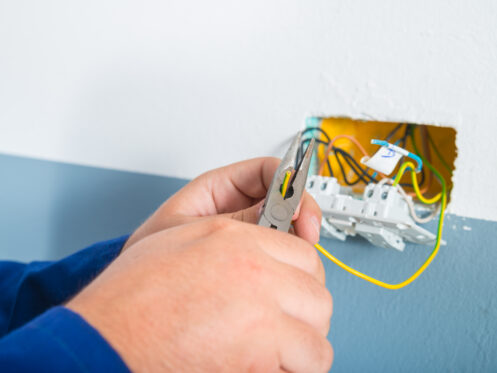
It’s easy to forget about your home’s electrical system until something goes wrong. However, small issues rarely stay small for long. An inspection doesn’t just keep the lights on; it keeps your entire home safer. At All Klear, in Springfield, MO, we help homeowners catch electrical problems before they become expensive or dangerous.
Old Wiring May Be a Safety Hazard
If your home hasn’t had a full electrical inspection in years, you may be trusting a system that is not safe. Wires hidden behind walls don’t usually give warnings before they wear out. The insulation around them can crack, dry out, or crumble after decades of quiet service. You might not see those changes, but the risk builds just the same. Houses built before the 1980s often contain outdated aluminum wiring or electric panels that fall far below modern safety standards.
Even if everything seems fine when you flip a switch, older wiring can overheat under modern loads. Today’s appliances demand more power and more consistency than older setups were built to handle. Modern conveniences like air fryers and larger microwaves can push older circuits past their comfort zone. Inspections reveal vulnerabilities in your electrical system. You don’t need a complete electrical overhaul to live safely, but you do need a clear picture of what’s hiding behind your walls.
What It Means When Your Breakers Keep Tripping
Tripping breakers can feel like minor annoyances, especially if they reset easily. But when it starts happening regularly, or when certain appliances always cause a trip, that’s more than a nuisance. That’s your panel trying to tell you it’s overwhelmed. Circuit breakers are built to cut off power before wires get too hot. When they trip, it’s often because something’s pulling more electricity than the circuit was designed to carry. That heat doesn’t vanish. If the problem goes unchecked, wires can degrade, outlets can scorch, and the plastic around them can melt.
You may also run into cases where nothing trips, but you smell something burning. That’s even worse. A wire might be arcing behind the wall without tripping a breaker at all. In those cases, a professional checkup becomes less about comfort and more about safety.
Your Electrical Panel May Need an Upgrade
Your panel may sit quietly in a utility closet, but it works harder than you think. It splits power between every room, appliance, and light fixture. Over time, those connections loosen. Screws back out. Corrosion builds. If your home has experienced voltage drops or power surges from the grid, that wear can happen even faster. And if your panel has signs of rust or feels warm to the touch, it’s time for an upgrade.
You might not notice any issues until lights flicker or power cuts out without warning. That kind of inconsistency usually starts at the panel level. A quick inspection can check whether your breakers still connect tightly, whether the bus bars show wear, and whether there’s heat damage hidden behind the metal door. The goal is to spot patterns while everything still works. That’s when repairs are easiest and cheapest.
How Modern Upgrades Can Strain Old Electrical Systems
You’ve probably replaced appliances or added new tech in the last few years. Bigger TVs, new kitchen equipment, or charging stations for devices all add to the load on your electrical system. If those upgrades happened without checking the wiring or panel first, your system could be overloaded. This situation creates hotspots in wiring and causes breakers to trip more often than they should.
In some cases, homeowners add extension cords or power strips to solve the issue. A single circuit wasn’t meant to handle a space heater, a microwave, and a phone charger all at once. Inspections help you match your home’s real electrical needs to the system you have. That way, if you do need an upgrade, you’re solving the right problem instead of just moving the danger somewhere else.
Outdoor Wiring Also Needs Attention
Your outdoor wiring might not cross your mind unless you plug in decorations or use power tools. But exposed connections, buried lines, and outdoor outlets face different wear than indoor ones. Rain, heat, and shifting soil all change how those lines perform. A cracked outlet cover or a compromised weatherproof box might be all it takes to expose wiring to moisture. And once water gets in, it corrodes wiring quickly and quietly.
An inspection can include outdoor GFCI outlets, any circuits that run to sheds or garages, and exterior lighting. If you’ve had landscaping work done or added a pool or hot tub, that changes how power moves across your property. It’s worth making sure nothing pulls current through undersized wires or overloaded circuits. Outdoor risks can feel distant, but they still connect back to your main system.
GFCIs and AFCIs Can Fail Without Telling You
You probably know that GFCIs help protect bathrooms, kitchens, and outdoor areas by cutting off power when they detect a ground fault, such as an imbalance in current. But many homeowners don’t realize these outlets can stop working without any visible signs. In some cases, they may continue to pass power even after their internal safety mechanisms have failed.
That risk is similar, or even greater, with arc fault circuit interrupters (AFCIs), which are designed to detect dangerous arcing conditions that can lead to electrical fires. AFCIs are now required in most living spaces, including bedrooms and family rooms, in newer homes.
If you’ve never tested your GFCIs or don’t know whether you have AFCIs, it’s time for an inspection. These devices are designed to keep your family safe, but they’re not foolproof. They should be tested monthly and replaced as needed to ensure proper function. When left unchecked, they can give the illusion of protection when none exists. If your home has outdated or missing safety features, adding them can significantly improve overall electrical protection. Regular testing and timely replacement ensure these safety layers work when you need them most.
How Hidden Electrical Problems Affect More Than You Think
You might think of electrical problems as just flickering lights or a sparking outlet. But hidden issues can reach much farther. Appliances that overheat, power that cuts in and out, or even constantly dropping Wi-Fi connections can all trace back to electrical trouble. In some cases, HVAC systems may experience voltage fluctuations that affect comfort and increase energy use.
If your lights flicker or something keeps cutting out, but the appliances themselves seem fine, wiring issues could be the real culprit. Problems like loose connections, damaged conductors, or overloaded circuits often start upstream, long before you see any visible signs of trouble.
Contact Your Local Experts
Your home depends on a safe and reliable electrical system. The only way to ensure everything is in good shape is with a professional inspection. Regular checks protect your property, your appliances, and your peace of mind. All Klear offers expert electrical inspections, panel upgrades, and system repairs to keep your home running smoothly.
Contact us today to schedule your inspection or electrical repair and prevent potential problems from causing safety issues or disruptions to your daily routine.