You usually get a few hints before your AC stops doing its job. These little signs can all signal that your AC isn’t going to make it through a scorcher summer. At All Klear, in Springfield, MO, we help homeowners catch those early signs and deal with them before summer puts more strain on the system.
Sign #1: Weak Airflow or Uneven Cooling
Common Causes
When cool air barely comes out of the vents, or one room feels fine while another stays warm, your AC is telling you something is off. Weak airflow can result from a clogged filter, blocked ductwork, a failing blower motor, or a coil that cannot move air as it should. Uneven cooling can also show up when duct joints leak, return airflow is poor, or the system cannot push air evenly through the house. You might notice weak AC airflow first in upstairs bedrooms, bonus rooms, or spaces at the far end of the duct run.
Why It Worsens
When airflow drops, the system has to run longer to get your home to the temperature that you set on your thermostat. That extra runtime can put more strain on the blower, the coil, and other parts involved in cooling. It can also lead to hot and cold patches that make the whole house feel unsettled.
When to Schedule Service
Weak airflow is easy to brush off in spring, though it can become a daily problem once summer heat settles in. Service makes sense when the issue keeps showing up, gets worse during warmer afternoons, or makes the house feel uneven even when the AC runs for long stretches. For many homeowners, this is one of the first signs AC needs repair before a larger problem shows up.
Sign #2: Warm Air or Temperature Swings
Thermostat Issues
If the AC is running and the air coming through the vents feels lukewarm, the problem may start with the thermostat. In some homes, the thermostat sits in a hallway that stays cooler than the rest of the house, which can cause rooms farther away to feel off for hours.
Refrigerant Concerns
AC blowing warm air can also indicate low refrigerant or a leak in the system. When refrigerant levels drop, the AC loses its ability to remove heat from the air normally. The house may cool slowly, the air may feel less crisp, and the system may stay on far longer than it used to. Ice around the indoor unit can sometimes show up along with this, though you do not need visible ice for the problem to be real.
Compressor Problems
The compressor is another possible source of trouble. Temperature swings are one of the clearest signs that something deeper may be happening. If your AC cools for a while, then seems to lose ground as the day moves on, that is worth checking before summer demand makes the problem harder on the system.
Sign #3: Short Cycling or Constant Running
Dirty Filters
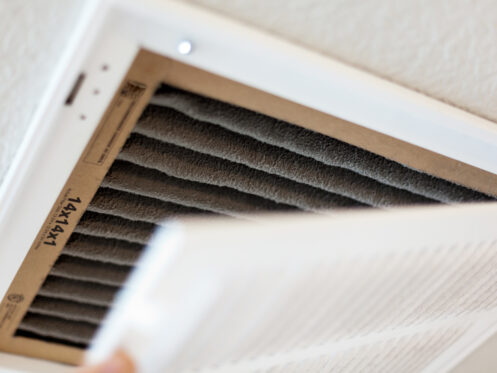
An AC that turns on and off every few minutes is not working in a healthy rhythm. The same goes for a unit that seems to run all day and still never quite catches up. One common cause is a dirty filter that hinders airflow and throws off how the system handles cooling. Restricted airflow can raise pressure inside the system and cause it to shut down sooner than it should. In other homes, poor airflow can leave the unit running longer because cooled air is not circulating well through the space.
Sizing Issues
System size can also shape this problem. A unit that is too large for the home may cool the thermostat area fast, then shut off before it spreads that cooling evenly through the rest of the house. A unit that is too small may run for long stretches because it cannot keep up once the outdoor heat builds.
Electrical Control Problems
AC short cycling can also result from electrical issues such as a failing relay, a bad capacitor, a loose connection, or a control board problem. These parts help the system start and stop in the right sequence. When that sequence breaks down, the AC can begin to act erratically. If you notice frequent starts, unusually long run times, or cooling cycles that no longer feel steady, it makes sense to schedule service before the system heads into its hardest season with an unstable pattern.
Sign #4: Unusual Noises or Odors
What Noises Usually Indicate
Banging noises can point to a loose or damaged part. Buzzing can suggest electrical trouble or debris in the outdoor unit. Screeching may come from a worn motor bearing or a belt issue in older equipment. Clicking that does not lead to a normal startup can mean a control problem. These sounds matter because they often show up before the system fails completely.
Safety Red Flags
A musty smell can point to moisture buildup around the coil or drain line. A burning smell can signal wiring trouble, an overheating motor, or dust burning off parts that have not run in a while. A sharp chemical smell may raise concern about the refrigerant. None of these should be written off as normal. If the system starts giving off unusual odors in your home, especially along with weak cooling or odd cycling, service should move up your list.
Sign #5: Rising Utility Bills
Efficiency Loss
If your usage habits have not changed much and your utility bill still climbs, the system may be working harder to do the same job. That can happen when coils get dirty, airflow drops, refrigerant levels fall, parts start wearing out, or the unit runs longer because something in the cooling cycle is off. Sometimes the first sign is rising cooling bills, even though the house seems mostly normal.
Maintenance and Repair Benefits
This is one reason pre-summer repair work matters. Small performance losses can turn into a season of higher operating costs if the system is already struggling in hot weather. A repair visit can uncover problems that do not look dramatic from the outside, such as weak airflow, a part that is beginning to fail, or low refrigerant that is holding the system back.
If your bill has started rising along with any of the other signs, that combination is often a strong sign that your system needs attention before the heat puts even more pressure on it. Many homeowners look for AC repair Springfield MO once their home gets uncomfortable, even though it’s far easier to deal with these issues before summer is in full swing.
Get Ahead of the Heat
An AC that gets checked early may need a repair, airflow adjustment, thermostat review, or refrigerant-related service before those issues start affecting comfort every day. If your cooling system has been acting up, it can also make sense to look at related services like seasonal maintenance, system diagnostics, and inspections for worn components that may affect performance once temperatures climb. Schedule a consult with All Klear, and we’ll help you get your AC ready for the season before a small issue turns into a long, hot week.