
Many homeowners use the terms “hard water” and “bad-tasting water” as if they mean the same thing. They do not. Hard water refers to high levels of dissolved minerals, primarily calcium and magnesium. Bad taste or odor usually comes from chlorine, sediment, organic matter, or other contaminants. These are two entirely different water quality problems, and they require different solutions. How do you compare a water filter vs. a water softener? All Klear in Springfield, MO, helps homeowners understand what is happening in their plumbing system before recommending equipment.
What a Water Filter Does
A water filter improves water quality by removing contaminants that affect clarity, smell, and flavor. These systems target sediment, chlorine, and other impurities depending on the filter design. Some filters focus primarily on visible debris, while others reduce chemical compounds that affect taste and odor.
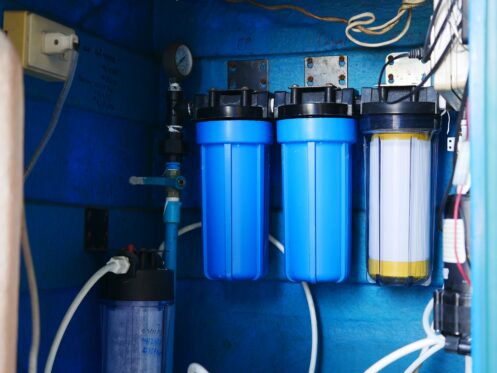
Most whole-home systems use multiple stages to achieve this result. A sediment filter captures dirt, sand, and rust before the water enters the plumbing system. A carbon stage reduces chlorine and improves overall taste. Some systems include specialty media designed to address additional contaminants based on local water conditions.
Because filtration is system-dependent, the exact results vary by configuration. However, the goal remains consistent and involves removing unwanted particles and chemicals before they reach your faucets, showers, and appliances.
A typical water filter setup may include:
- Sediment filter to trap larger particles
- Carbon filter to reduce chlorine and improve taste
- Optional specialty media for specific contaminants
A whole-house water filter protects plumbing fixtures and appliances from sediment. It also improves shower water quality and laundry results. If your complaint is visible particles, chemical tastes, or odors, a water filter may be the best starting point.
What a Water Softener Does
A water softener removes hard minerals such as calcium and magnesium through ion exchange. The system replaces these minerals with sodium or potassium ions, preventing scale from forming in pipes and appliances.
You likely have a hard water problem if you notice a white, chalky buildup on faucets or showerheads. You may also notice signs such as soap scum, dry skin, dull hair, spots on dishes, and reduced water heater performance.
When hard minerals heat, they form scale. That scale coats heating elements and narrows pipe openings. Over time, this buildup can reduce water flow and force appliances to work harder. All Klear offers a hard water solution in Springfield, MO.
A properly sized water softener prevents these problems. It keeps pipes clear and improves soap performance. You will find you use less detergent for laundry and dishwashing because the soap lathers more effectively. Even your towels, skin, and hair will feel softer.
Do You Need One or Both?
It’s important to evaluate your needs for a whole-house water filter vs. a water softener. Many Springfield homes benefit from installing both systems. A filter addresses the taste and contaminants, while a softener prevents mineral damage. The decision depends on your water test results and household issues.
It’s important to understand that filtration and softening address water at different stages of use. A filter improves the quality of the water you drink or bathe in by removing unwanted substances before they reach the fixtures. This can make drinking water clearer and enhance the overall experience of cooking, showering, and washing clothes.
A water softener focuses on preventing long-term mineral damage inside your plumbing system. While you may notice softer skin and cleaner dishes right away, the most significant benefit occurs behind the scenes. Scale buildup forms slowly inside water heaters, supply lines, and appliance components. Without treatment, that buildup can reduce heating efficiency and increase energy use.
You may need a water filter if you notice these signs:
- Strong chlorine smells
- Metallic or chemical tastes
- Visible sediment
- Discolored water
When it comes to comparing a water softener vs. a filter, you need to determine your water issues. If you notice signs of contaminants and hard water, a combined treatment approach is best. A common configuration places a whole-house sediment and carbon filter before a water softener. This protects the softener from debris and improves overall water quality.
When making the comparison between the two systems, homeowners often focus only on surface-level symptoms. The more important question is how your water affects daily performance and long-term system health. Treating both contaminants and hard minerals creates balanced water that protects plumbing while improving comfort throughout your home.
Professional water testing provides clear answers. At All Klear, we evaluate hardness levels, chlorine content, and other indicators. We design systems based on actual conditions rather than assumptions. There are several water treatment options.
You may need a water softener if you notice these symptoms:
- White scales on fixtures
- Soap that will not lather
- Stiff laundry
- Decline in water heater performance
Springfield-area water often contains moderate to high mineral content. Municipal treatment can also leave chlorine in the water. That combination makes a filtration and softening setup ideal for many homes in the area.
The goal is not to oversell equipment. Our goal is to solve the specific issues affecting your water. We guide you through the entire process, from water testing to system selection, and install your new setup according to your home’s needs.
Maintenance Expectations
Both systems require maintenance to perform properly. Failing upkeep reduces effectiveness and can shorten the system’s lifespan.
Water filter maintenance depends on system type and water quality. Sediment and carbon cartridges require periodic replacement. Some filters can last a few months, while others last a year or even longer.
You may need a filter replacement if you notice a sudden drop in water pressure, a return of chlorine taste, or visible discoloration. Water softeners require salt refills. The system uses salt during regeneration to recharge the resin beads. Homeowners must check salt levels regularly and keep the brine tank filled.
Softener maintenance includes cleaning the brine tank, inspecting the resin condition, and checking the control valve settings. Annual professional inspections ensure both systems operate correctly. A tune-up allows technicians to inspect connections, test performance, and verify regeneration cycles.
At All Klear, we provide complete water filtration softener service to keep systems running efficiently. Regular service protects your investment and ensures consistent water quality.
Next Steps
Choosing between a water filter and a water softener starts with understanding your water. Hard minerals and taste issues require different solutions. Some homes may only require one system, while others require both. If you are unsure of what your home needs, professional testing removes the guesswork. Our team evaluates your water and explains your water treatment options. We recommend water treatment equipment that addresses your concerns. Clean water improves comfort, protects plumbing systems, and extends appliance life. The right system delivers measurable benefits throughout your home.
Contact All Klear to schedule water testing and learn about our available water treatment options for your home.