
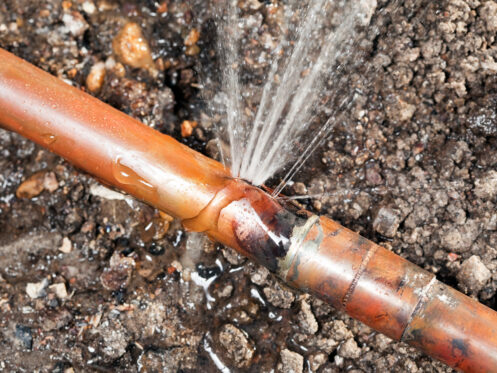
Leaks rarely show up with a splash. Most start quietly, slowly, and tucked behind walls or under floors. That slow drip might seem harmless today, but it could point to a much bigger problem. This is where timing matters more than guesswork. All Klear in Springfield, MO helps homeowners catch the signs early, so you can stop the damage before it spreads. If you want to keep your home safe from hidden leaks, start by knowing where and how to look.
Why Small Leaks Turn Into Big Headaches
Leaks don’t always look like trouble at first. A dark patch on drywall, a musty smell, or a spike in your water bill might feel like small annoyances. What hides behind those signs is often worse. That slow drip behind your walls can soak insulation, rot framing, and trigger mold growth before you even realize there’s a problem. Water rarely stops where it starts. It follows gravity, slides under floors, and seeps into places it doesn’t belong.
The damage can build quietly for weeks or months. You might not notice until the floorboards feel soft or paint starts bubbling. Once water has time to sit, you’re not just dealing with plumbing anymore. Now you’re in the territory of warped wood, mildew, and high repair costs. Leak detection isn’t just about fixing pipes. It’s about stopping that chain reaction before it has a chance to gain momentum.
Common Leak Sources That Hide in Plain Sight
Some leaks are easy to spot, like a dripping faucet or a puddle under your sink. Others take more work to uncover. Pipes hidden in walls, ceilings, or slabs can leak quietly for a long time. Washing machine hookups, ice maker lines, and dishwasher hoses are small parts of the system but cause major damage when they go unnoticed. That water heater in the corner might look fine on the outside, while a slow leak rusts the base behind it.
Bathrooms are common trouble spots. Old grout, worn seals, or a cracked toilet flange can let water escape into the subfloor. By the time you feel the tile shift or smell mold, there may be damage. Even HVAC systems contribute to hidden moisture problems if the drain pan clogs or a condensation line leaks behind the wall. The more you know about these trouble spots, the faster you can spot them.
Leak Detection Tools Worth Using
There are several tools that professionals use to keep your home intact while searching for leaks. A moisture meter helps you test drywall or flooring if something feels off. You press it to the surface, and it gives you a reading. Too high? You might have water hiding underneath.
Acoustic leak detectors pick up the sound of water moving. Plumbers use these to check inside walls or slabs. Infrared cameras can also highlight temperature differences that suggest wet spots behind a surface. Some smart leak sensors sit near appliances or under sinks. When they detect moisture, they send an alert to your phone.
Why Timing Matters More Than Guesswork
Waiting for obvious signs puts you in the worst position. By the time water stains appear or ceilings sag, the fix becomes more than a simple repair. This may include drying, demolition, and maybe even mold remediation. Timing makes the difference between catching a leak with a wrench and cutting out a wall.
Even if the leak feels small, it might be part of a larger issue. A pinhole leak in a copper pipe can suggest corrosion across a whole section. A slow toilet leak can point to a shifting subfloor. When you respond quickly, you limit both the water damage and the cause behind it. A routine check once or twice a year lets you deal with leaks when they’re still easy to manage.
How to Spot Trouble Before It Shows Up
You can’t watch every pipe in your house, but you can watch for changes. Keep an eye on your water bill. A sudden spike without any lifestyle change could mean something is leaking. Check your water meter before and after a few hours of non-use. If it moves, water is escaping somewhere.
Listen when your home is quiet. If you hear water running when nothing’s on, that’s a warning. A musty odor near baseboards or cabinets suggests moisture. Doors that swell or floors that feel soft in spots could mean water is affecting the structure beneath them. These signs are small, but they tell a bigger story when you know what to look for.
Outdoor Leaks Can Be Just as Costly
Not every leak happens inside. Outdoor plumbing adds another layer of risk. Sprinkler systems, hose bibs, and buried pipes can all break or crack. In colder climates, freezing temperatures leave those lines vulnerable. A damaged sprinkler line might not flood your home, but it can wash away soil, affect your foundation, or cause mold around your crawl space.
Leaky outdoor fixtures also drive up your water bill without much notice. If your yard feels soggy or you see puddles with no rain in sight, dig deeper. If you shut off your irrigation and still see signs of wet soil or algae, that could point to a leak. Outdoor leak detection might not feel urgent until you realize the extent of the water damage and structural stress involved.
Don’t Wait Until the Ceiling Sags
If you’re waiting for water to drip from the ceiling before you take action, you’re giving leaks too much power. Water damage rarely shows up where it starts. It travels and settles in low spots. That means the visible damage might just be the end of the trail. By that point, the cost of repairs has multiplied.
Being proactive with leak detection means looking for signals early. You fix the problem when it’s still small. You avoid drywall replacement, subfloor repairs, and mold treatment. It’s not about doing everything at once. It’s about having a regular plan that includes checking vulnerable spots and watching for the quiet signs that something’s wrong.
Professional Leak Detection Makes It Simple
You don’t need to become a plumbing expert to stay ahead of leaks. You just need the right team. Professional plumbers bring tools you probably don’t have and experience that helps them find problems fast. They know what to look for, where to test, and how to track down a hidden leak without ripping your house apart.
With the right equipment, they can check behind drywall, inspect crawlspaces, and test water pressure. They can also handle small repairs during the same visit. Instead of waiting for damage to grow, you deal with it all at once. Getting a professional inspection gives you a clear picture of what’s happening in your home. That information is what helps you stay in control before water finds its way where it doesn’t belong.
Catch Leaks Quickly at Home With Professional Help
When you pay attention to the signs, water damage doesn’t have to catch you off guard. Leak detection works best when you treat it like a routine, not a reaction. Whether you’re worried about a single drip or planning a full inspection, All Klear offers leak detection and plumbing services that help protect your home from unnecessary repairs. Schedule your appointment today and get ahead of the damage.