
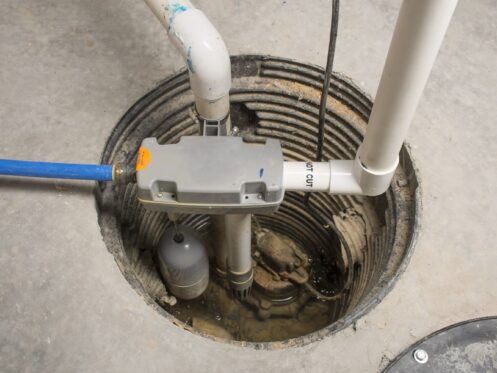
Your sump pump is an often-overlooked piece of equipment, but when it fails, the impact is very noticeable. From strange noises to constant cycling, the signs of sump pump trouble often start small. You might avoid water damage and costly repairs if you catch them early. Our team at All Klear in Springfield, MO, helps homeowners protect their basements with timely sump pump inspections, repairs, and replacements. Ignoring these red flags can lead to significant water damage, mold growth, and costly repairs.
Noticing Strange Pump or Pit Sounds
Your sump pump produces a bit of noise, but it shouldn’t be substantial. If you hear rattling, grinding, or a high-pitched squeak, this indicates there’s something wrong. It’s likely there is a component inside the pump that is worn or damaged. Impeller blades may be rubbing against other components, or a failing motor is struggling to keep up.
Even subtle changes in how your sump pump sounds require attention. If the check valve isn’t sealing correctly, you might hear a chattering noise. A groan may occur just before your sump pump shuts off. These changes can lead to a complete failure of your sump pump. Someone from our team can diagnose the problem, make repairs, or recommend a full replacement if the damage is extensive.
Pump Isn’t Turning On
When your sump pump isn’t turning on, this is a serious issue. Your pump should activate as water fills the pit and reaches a certain point. If you must physically maneuver the float or tap the unit to get it started, the automatic switch might be stuck or failing. If the float doesn’t rise properly or the sensor doesn’t respond, the pump won’t run, and water levels will rise fast.
Sometimes the switch gets stuck against the basin wall or tangled in debris, but often it’s a sign that wear inside the mechanism has thrown off the alignment. You can try to fix it, but if the problem keeps happening, replacement is usually the smarter move. Some newer pumps use vertical switches or sensors that are less prone to jamming. We can guide you toward a model that addresses your level of water risk.
Unit Doesn’t Shut Off
Your sump pump may run frequently during heavy rain if you live in a damp area. However, it should still turn off after each cycle. The most common reason your pump may not shut off is that the float switch is stuck in the on position. There are other causes, such as a malfunctioning pressure switch or a clogged discharge line. You might have a pump that’s too small for the volume of water it’s handling. If it can’t catch up, it keeps running. This constant operation shortens the pump’s life and drives up energy use without solving the water problem efficiently.
Water in Your Basement
If your basement floor feels damp or you notice pooling water even when the sump pump has been running, this is a sign your pump is not keeping up with demand or is malfunctioning. You may have a unit that is too small, or the pit wasn’t correctly dug. A malfunctioning motor may not be able to push water through your discharge line properly. Your pump may sound like it’s functioning when it’s not doing its job.
This situation is one where professional assistance matters. You don’t want to replace the pump only to discover the issue was with the check valve or the slope of the drainage pipe. Our team can evaluate your drainage setup, not just the pump itself, providing you with a comprehensive solution. Fixing this kind of issue means looking at volume, capacity, flow direction, and what the soil around your foundation is doing. If your pump can’t keep this space dry, it’s time to act.
Visible Rust and Corrosion
Rust can be a sign that water is causing corrosion. A little surface rust might seem harmless, but it means that moisture is reaching the metal parts of the pump that should stay dry. Corrosion on the motor housing, intake screen, or base means the seals may be failing. This can let water into the motor compartment, which eventually leads to short circuits or total failure.
If you spot flaking metal or orange streaks near the discharge pipe or electrical cord, don’t ignore these issues. Corrosion can quickly spread and weaken structural parts. A corroded base can cause the pump to tilt inside the pit, which might stop the float from rising or the motor from pulling in water correctly. Cleaning it won’t reverse the damage. Once corrosion starts, replacement is usually the safer path. If caught early, a technician might be able to replace specific components and extend the life of the system, but it takes a professional inspection to know for sure.
Considering the Age of Your Sump Pump
Most sump pumps last around 7 to 10 years, depending on how often they run and how well they’re maintained. If yours is close to that range, you should start thinking about a replacement. Regular maintenance and timely replacement are important. Age increases the chance of failure. You don’t want to experience equipment failure during a major storm.
Older pumps are also less efficient. They may draw more power, struggle to clear water quickly, or lack safety features newer models include. If your pump is aging, talk with someone from our team about upgrading to a model with better output, quieter operation, and easier maintenance. Replacement before failure protects you from the stress of a plumbing emergency and can help you avoid water damage or mold remediation.
Vibrations or Movement During Use
If your pump shakes, shudders, or shifts position when it runs, there may be the need for repairs. A pump that isn’t sitting level in the pit may not activate properly or might stop short of removing all the water. Vibration often means something inside the pump is out of balance. That could be debris caught in the impeller, or it might be a misaligned shaft or loose mounting bolts.
Over time, these movements can impact how the the pump interacts with the float, water level, and discharge pipe. Ignoring the vibration lets the internal wear continue, and a shifting pump can eventually damage the liner of your sump basin or the discharge pipe connections.
Maintenance Protects Pump Integrity
The best way to avoid last-minute sump pump replacement is by keeping your system on a regular maintenance schedule. This means testing the float switch, checking the discharge line, and clearing out any debris in the basin before it has the chance to clog the impeller. If you don’t feel comfortable doing this yourself, a professional plumber can perform a periodic inspection to make sure everything is working as it should. During maintenance, a plumber can check for signs of trouble you might not spot, like an electrical draw that’s too high or a slow discharge speed that suggests a blockage.
Schedule a Sump Pump Visit Today
Basement flooding doesn’t always announce itself with a dramatic splash. Sometimes it begins with a hum, a rattle, or silence when there should be sound. Knowing when your sump pump is due for service can save you from bigger problems later. We can also perform routine plumbing inspections and emergency repairs. If you’re seeing signs that your plumbing system needs professional support, schedule a visit today with All Klear in Springfield.