
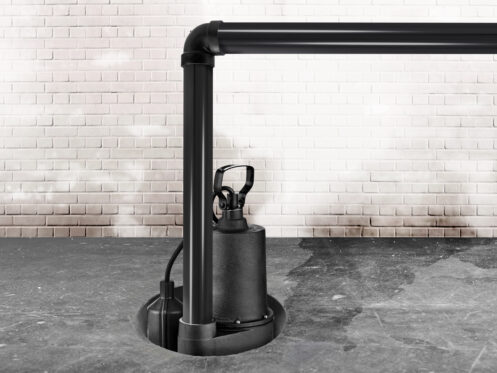
Spring rain can put a lot of pressure on the integrity of your home. Your sump pump is one of those systems that tends to stay quiet until water starts to build up quickly, which is why seasonal maintenance matters more than many homeowners realize. Homeowners in Springfield, MO, depend on All Klear to help them stay ahead of sump pump problems to avoid a mess in the basement.
How Often Should You Service a Sump Pump?
Annual Inspection
A sump pump can sit quietly for months, then face its hardest job during one long stretch of rain. That is why a yearly tune-up matters. A proper sump pump inspection should look at the pump, pit, float, and discharge path as one working system. If your basement has taken on water before, or if the pump runs often in wet months, this kind of check can catch wear before the next storm puts real pressure on the unit.
Battery Backup Checks
If your system includes a battery backup, that part needs the same level of attention. Many homeowners feel better once a backup goes in, then forget that the battery ages, the charger can fail, and the alarm may stop responding. A backup only helps if it starts when the power goes out during a storm.
Before Heavy Rain Season
Timing matters too. Late winter or early spring is a smart time to schedule sump pump maintenance because it gives you a chance to address worn parts before you need your sump pump. Waiting until the first hard storm can leave you reacting to a problem instead of getting ahead of it. If you think about your pump as part of basement flooding prevention, the best time to look at it is before you need it, not after water starts rising.
DIY Sump Pump Maintenance Checklist
Test Float Switch
There is a difference between basic homeowner tasks and repair work. You do not need to take apart the system to determine whether it responds as it should. The float switch is one of the first things to watch. You can test it by simply raising the float until your sump pump turns on. If it is hard to move or the pump does not engage, call a professional for repairs.
Clean the Pit
A sump pit can collect dirt, gravel, and sludge from the water moving into it. That buildup can block the intake or limit float movement, so the system may not react as it should. You can use a small scoop to remove sediment and debris from the pit.
Check Discharge Line
The discharge line matters just as much as the pump because it carries water away from your home. You can test it by pouring a bucket of water into the pit. You want water to leave the house and stay away from it. If the end of the line drains into soil that stays soaked or sends water back toward the home, the whole setup needs a closer look from a professional.
Verify Power and Alarms
If your pump turned on when you poured water into the pit, you know it is properly powered. Most sump pump alarms use a separate float switch mounted slightly above the pump’s normal float. To test it, gently lift the alarm float with your hand until it is level with the top of the pit. When it reaches the trigger point, the alarm should sound immediately. Lower the float back down to reset it.
Warning Signs Your Sump Pump Is Failing
Constant Cycling
A sump pump may run several times during heavy rain or when groundwater levels are high. However, it should not turn on and off repeatedly when water is entering the pit slowly. Frequent cycling during mild conditions often means the system is activating too easily or shutting off too quickly. This can happen if the float switch is set too low or the check valve allows discharged water to flow back into the basin.
Strange Noises
Sound changes matter too. A pump will make some noise when it runs, though you should watch for rattling or grinding. These noises can point to a jammed impeller, worn motor parts, or loose hardware. These sounds warrant a repair call.
Visible Rust
Rust on the pump housing or around metal connections can point to age, mineral buildup, or water conditions that have worn on the system. Corrosion around battery terminals or connectors can also affect how the unit runs. Rust does not always mean failure is immediate, but it is a reason to have your sump pump inspected.
Pump Won’t Turn On
If your sump pump is not working, it is the clearest sign of trouble. When water rises in the pit, and the motor stays silent, you may be dealing with a bad switch, a failed motor, a power problem, or a backup that no longer responds.
Weak Discharge
Sometimes the pump turns on, but the water coming out of the discharge line looks weak or uneven. That can point to a clog, worn components, or a motor that no longer has the strength it once had.
Repair vs. Replacement
Age, Usage, and Repair Costs
When a sump pump starts showing signs of trouble, the next step is deciding whether repair makes sense. Age matters, though usage matters just as much. A unit that has worked through several wet seasons may have less life left than a newer pump that only runs now and then. Repair costs also matter. A stuck float, bad switch, or failed check valve may be worth fixing if the rest of the system is still in decent shape. A pump with a weak motor, rusted housing, repeated issues, and an aging battery backup justifies a replacement.
Adding Backups
Replacement can also give you a chance to build a stronger setup. If your current unit does not have a battery backup, high water alarm, or a solid discharge arrangement, a new installation can solve several problems at once. In homes with finished basements or expensive items stored near floor level, it may make sense to add a second backup pump.
Professional Recommendations
A professional will look at the full system, not only the pump sitting in the pit. The unit’s age, discharge path, backup setup, repair history, and how water moves around your foundation all matter. A professional’s recommendations allow you to make informed decisions about repairs. They can also offer suggestions to improve your system and better protect your home.
When Water Starts Moving, Preparation Matters
A sump pump does its best work when you do not have to think about it in the middle of a storm. A little seasonal attention can help you catch wear, clogs, drainage issues, or discharge line problems before heavy rain exposes them. At All Klear, we have been helping homeowners with sump pump repair in Springfield, MO since 2006. You can also count on us for other plumbing issues, such as clogged floor drains.
Contact All Klear today for a spring sump pump inspection.